IN THE NEWS: ITS Logistics Warns Shippers Budgeting Flat Face Capacity Reckoning
FreightWaves
June 24, 2026
Thomas Wasson
FROM THE ARTICLE: The freight market is perched on the edge of a capacity-driven precipice. For shippers who spent three years enjoying rock-bottom transportation rates, the good times are ending. Freight demand remains the wildcard. Any sudden spike will not draw the same carrier response as in years past.
In an interview with FreightWaves, Ryan Martin, president of distribution and fulfillment at ITS Logistics, discussed inventories, trailer strategy, and shipper budgets amid tightening capacity.
“Pain is ahead on the transportation side,” Martin said. “We’ve been seeing the signs building for months. Shippers don’t typically believe it until they start to feel the pain.”
That pain is already showing up in the data. Driver exits, carrier closures, increased regulatory scrutiny on non-domiciled operators, and surging fuel costs are stacking up. For large retailers and brands still budgeting for a flat year in transportation spend, this could be their reckoning.
The Great Inventory Cleanup
Understanding the current situation requires looking back a few years. The post-pandemic inventory overhang is finally clearing, but not without consequences. Martin has watched brands wrestle with a harsh new math problem: products that once cost a dollar now run $1.52, turning excess inventory into a cash-flow drain.
“Every customer is pushing for better inventory turns due to the cost of inventory increasing, whether that be through tariffs, transportation rates, etc.,” said Martin. “Customers need to manage their turns much closer from a cash flow standpoint and be a lot more on point with what they buy.”
The math is unforgiving. During the pandemic, companies could not manufacture fast enough. Everyone bought massive amounts of product. It arrived in waves and kept selling—until it didn’t. By 2022 and 2023, inventories had ballooned, warehouse space overflowed, and brands sat on mountains of merchandise they could not move without taking losses.
“Retailers don’t want to heavily discount items (upwards of 50%-75% plus) just to move the inventory as it sits on the balance sheet as a cash equivalent,” continued Martin. “So they will sit on it, moth ball it for some time, and then it typically only moves when a new buyer or General Merchandise Manager comes in and gets the grace to liquidate that destressed inventory, since they didn’t purchase it in the first place, they don’t own the loss when it's sold.”
….
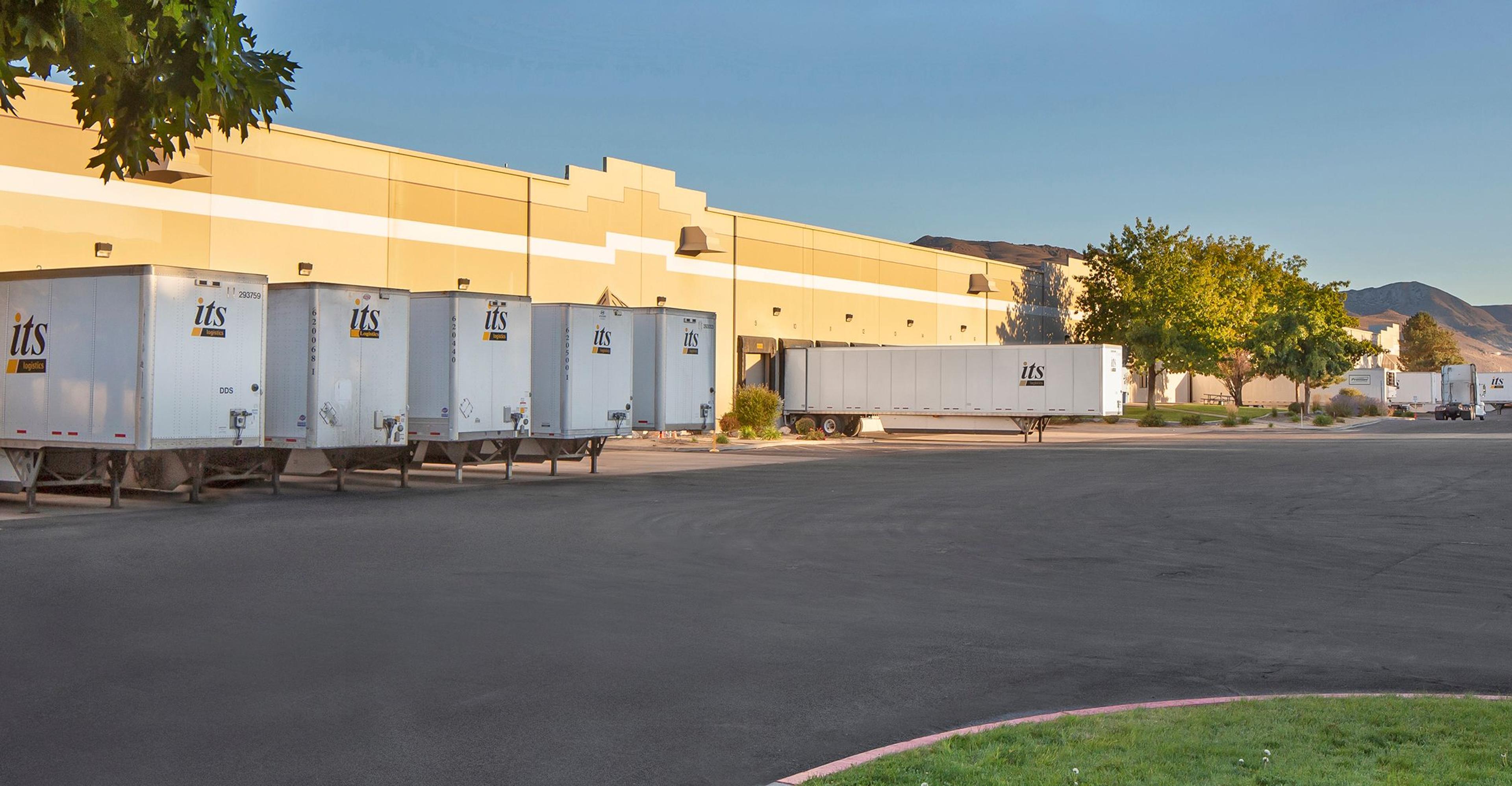
While shippers scramble with inventory, ITS Logistics is doubling down on its drop-trailer fleet. Adam Angle, who leads trailer operations and equipment at ITS, said the company doubled its fleet from 2024 to 2025 and projects reaching about 13,000 ITS trailers by year-end—potentially more after synergies from Echo Global Logistics’ acquisition of ITS, which closed in March.
“It’s definitely at times table stakes to have assets in these conversations,” Angle said of drop-trailer capabilities. The strategy goes beyond simply having equipment. In addition to its decaled trailers, the company maintains access to roughly 300,000 trailers through partner carriers—flexibility that customers increasingly demand.
“DropFleet isn’t just about ITS owning trailers. It’s about building a universal, flexible trailer ecosystem that adapts to how each customer operates—without sacrificing execution or network efficiency,” Angle said. “A big driver of that evolution is the universal pool concept, which allows us to flex both the number and frequency of destinations we serve through one integrated solution.”
Related articles
News + resources
IN THE NEWS: Driver Shortage—or Market Reset? How Compliance, Demographics, and Capacity Are Reshaping Freight
Blog | Truckload
The trucking industry's driver shortage in 2026 is being shaped by compliance enforcement, demographics, and capacity exits.

IN THE NEWS: Enforcement Actions Tighten Trucking Supply Ahead of 2026
Blog | Truckload
ITS Logistics warns stricter enforcement and rising carrier exits are shrinking trucking capacity, setting the stage for potential freight market disruptions in 2026.
IN THE NEWS: Shrinking Capacity Pushing Up US Reefer Truck Rates
Blog | Truckload
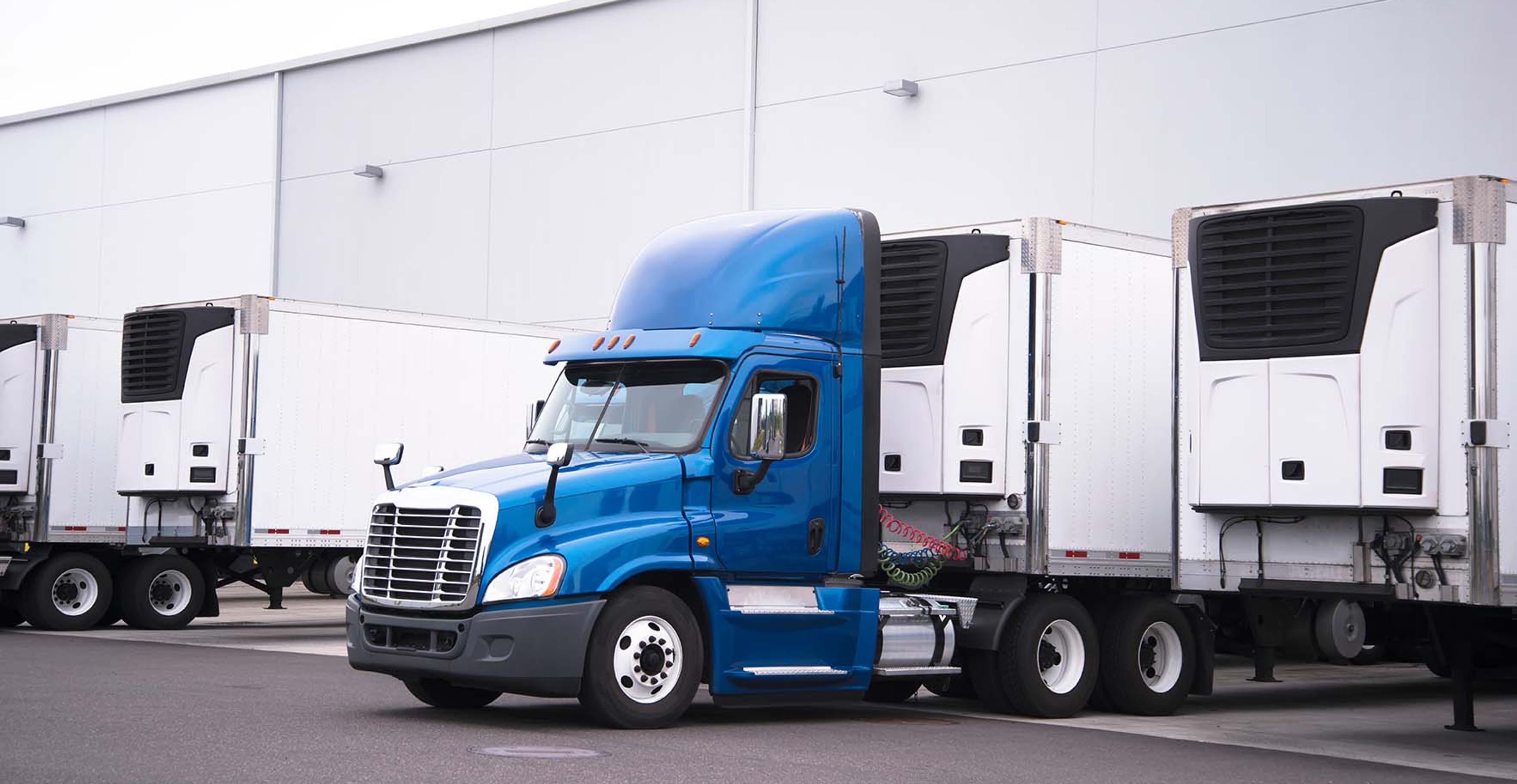
Reefer truck capacity is tightening as immigration and licensing crackdowns hit the market, driving up spot rates ahead of peak season, according to ITS Logistics and industry data.