

IN THE NEWS: Driver Shortage—or Market Reset? How Compliance, Demographics, and Capacity Are Reshaping Freight

Inbound Logistics
April 24, 2026
Amy Roach
FROM THE ARTICLE: The trucking industry’s long-running “driver shortage” debate has taken on new urgency in 2026. But this year, the shortage doesn’t look quite the way it used to. As freight markets begin to tighten after years of excess capacity, a mix of regulatory enforcement, demographic pressure, and shifting labor dynamics is changing not just how much capacity is available, but what that capacity looks like.
For some, the question isn’t whether there are enough drivers. It’s whether the industry is now operating with a smaller, more compliant pool, and what that means for everyone relying on it.
After the pandemic-era freight boom flooded the market with capacity, the current cycle feels different.
A Tighter Market—But a Different Kind of Capacity
Greater scrutiny around CDL validity, non-domiciled licenses, and English-language proficiency is actively reshaping the driver pool. According to Josh Allen, Chief Commercial Officer, ITS Logistics, this isn’t so much a shortage of willing drivers as it is a recalibration of who is legally eligible to operate.
“The FMCSA’s actions over the past 12 months have removed a meaningful subset of previously active drivers from legal eligibility. On top of that, English-language proficiency enforcement was reinstated as out-of-service criteria in June of 2025 after years of atrophy,” he explains.
That recalibration is happening in real time. As definitions of a “qualified driver” or even a “qualified carrier” continue to evolve, companies are being forced to adjust. They are tightening vetting processes, investing in compliance infrastructure, and, in some cases, walking away from capacity that no longer meets standards, Allen notes. “We work with customers to ensure their capacity meets the most stringent standards,” he adds.
Related articles
News + resources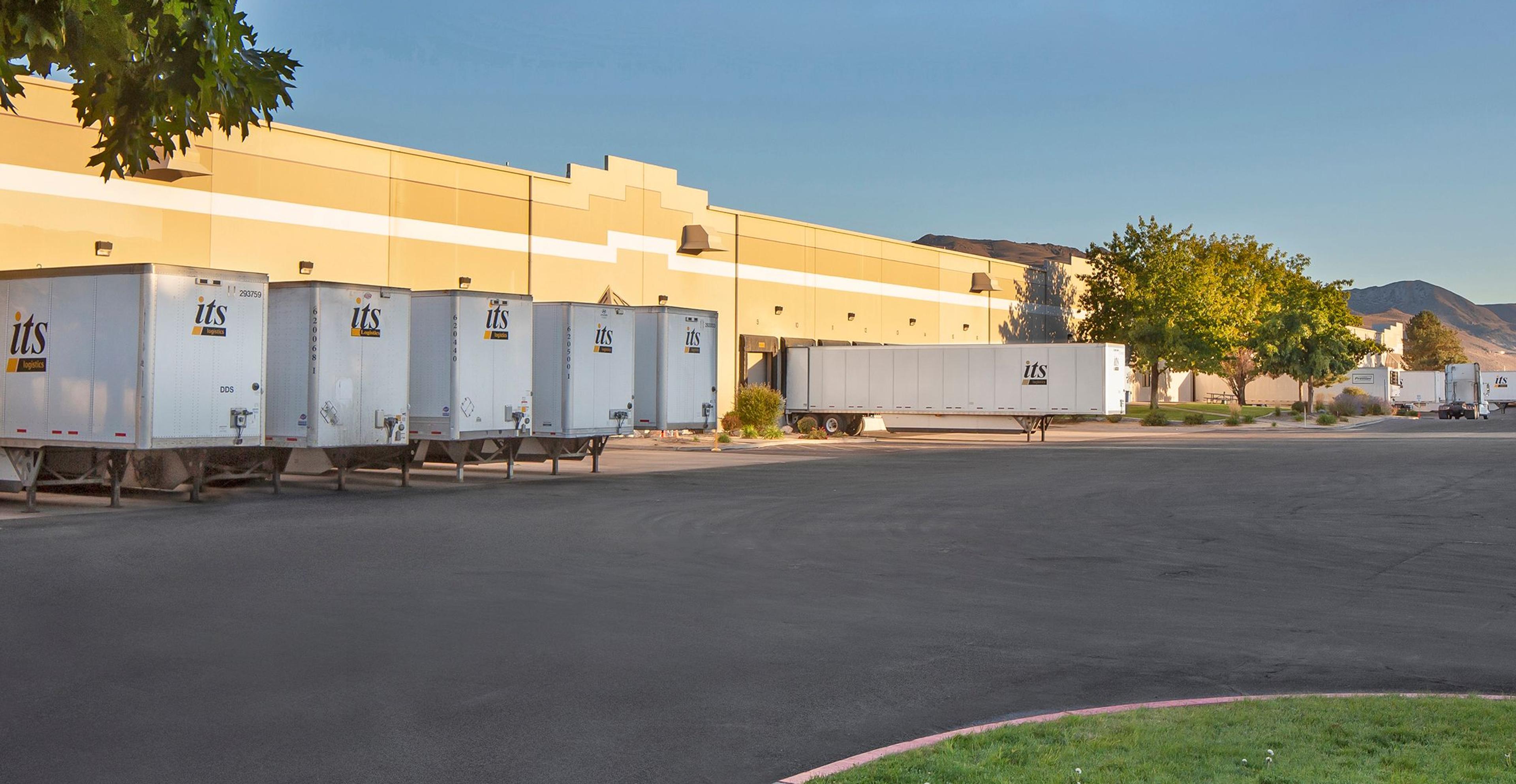
IN THE NEWS: ITS Logistics Warns Shippers Budgeting Flat Face Capacity Reckoning
Blog | Truckload
Tightening capacity, rising fuel costs, and lean inventories are setting up a volatile peak season, ITS Logistics leaders tell FreightWaves.

IN THE NEWS: Enforcement Actions Tighten Trucking Supply Ahead of 2026
Blog | Truckload
ITS Logistics warns stricter enforcement and rising carrier exits are shrinking trucking capacity, setting the stage for potential freight market disruptions in 2026.
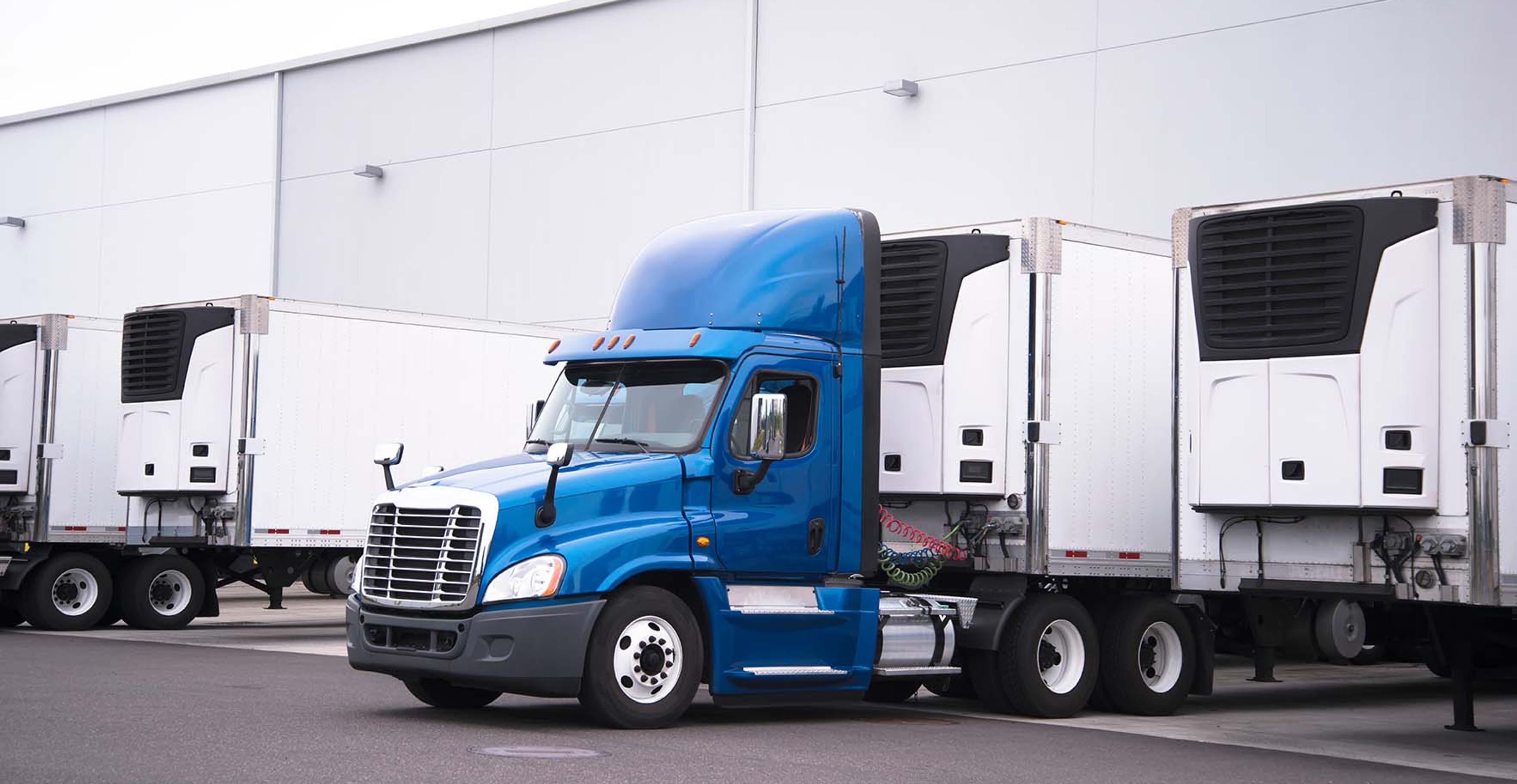
IN THE NEWS: Shrinking Capacity Pushing Up US Reefer Truck Rates
Blog | Truckload
Reefer truck capacity is tightening as immigration and licensing crackdowns hit the market, driving up spot rates ahead of peak season, according to ITS Logistics and industry data.