
IN THE NEWS: How Trump’s Trade War is Playing Out Inside US Supply Chain as Retailers Stocked up for the Holidays

CNBC
December 18, 2025
Lori Ann LaRocco
FROM THE ARTICLE: The latest CNBC Supply Chain survey provides new data on how the global trade war has influenced this year’s holiday shopping season, and one more signal that consumer spending is holding up reasonably well amid concerns about affordability across the US economy. But the survey data also suggests that the freight market remains in a vulnerable position headed into 2026, despite the Dow Jones Transportation Average recently hitting a 52-week high.
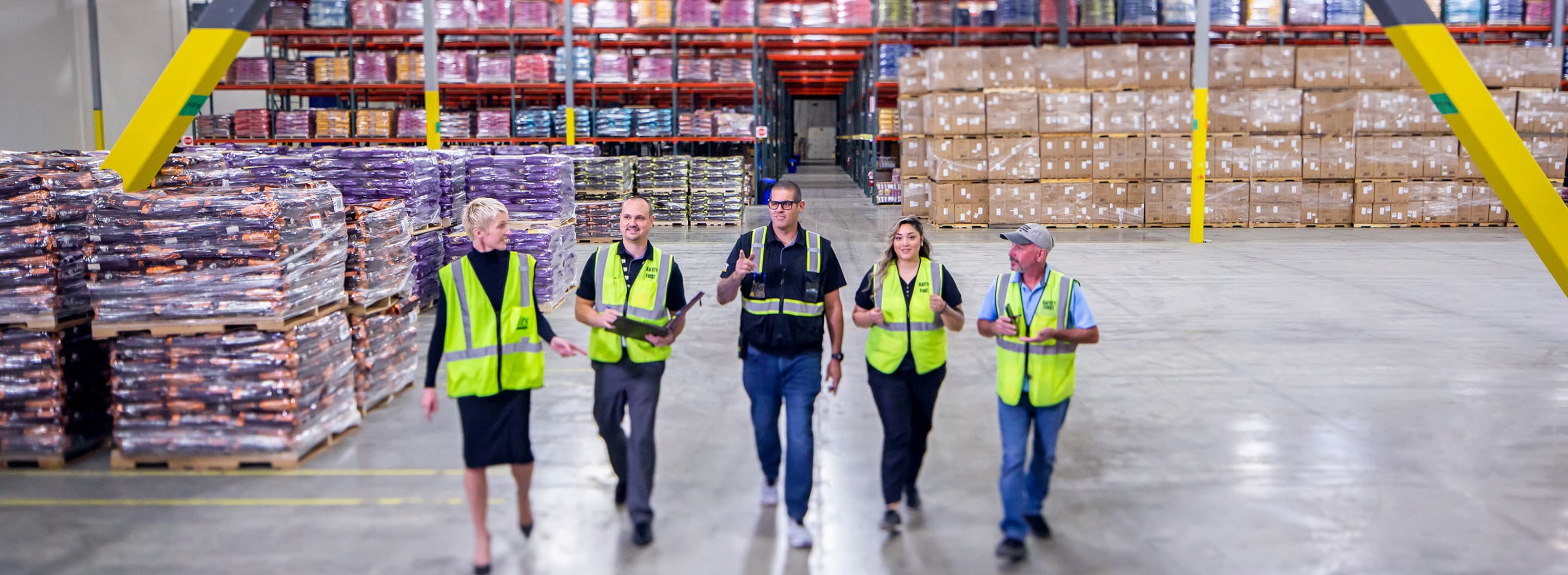
Overall, close to half (44%) of respondents said more holiday items are leaving warehouses and distribution centers compared to last year. One-third of respondents said fewer items were leaving the warehouses. The majority of respondents who said they were moving more freight said the level of increase was 5-10% in volumes.
The volume of products leaving warehouses to stores or customers also revealed what product categories are emerging as winners and losers this holiday shopping season. Housewares, apparel, and promotional items top the list, with luxury (both aspirational and traditional) and furniture (both high-end and low-end), having a softer outlook.
The majority of respondents said inventory levels in warehouses are running at two to three months, with one-third of respondents saying they have several weeks of product being stored.
Companies and organizations representing logistics providers, freight shippers, and retailers participated in the survey, which was conducted Dec. 4-Dec. 11.
....
Supply chain volatility is expected to persist amid challenging economic conditions. Even as consumers continue to spend and inflation has remained lower than many economists expected in relation to tariffs, the freight volume outlook is mixed, and the pricing outlook in retail remains in flux.
Though not the majority, a significant percentage of survey respondents, 43%, describe the freight market as being in a recession or likely to enter one in 2025.
“We are forecasting an increase in continued trucking company exits because of the lower freight volumes,” said Paul Brashier, Vice President of Global Supply Chain at ITS Logistics.
Related articles
News + resources
IN THE NEWS: How Carriers Navigate Traffic Bottlenecks
Blog | Company News
Traffic congestion adds billions to supply chain costs. ITS Logistics explains how visibility tech, flexible operations, and drop trailers help mitigate delays.
IN THE NEWS: A New Tech Solution To The Freight Fraud Problem
Blog | Company News
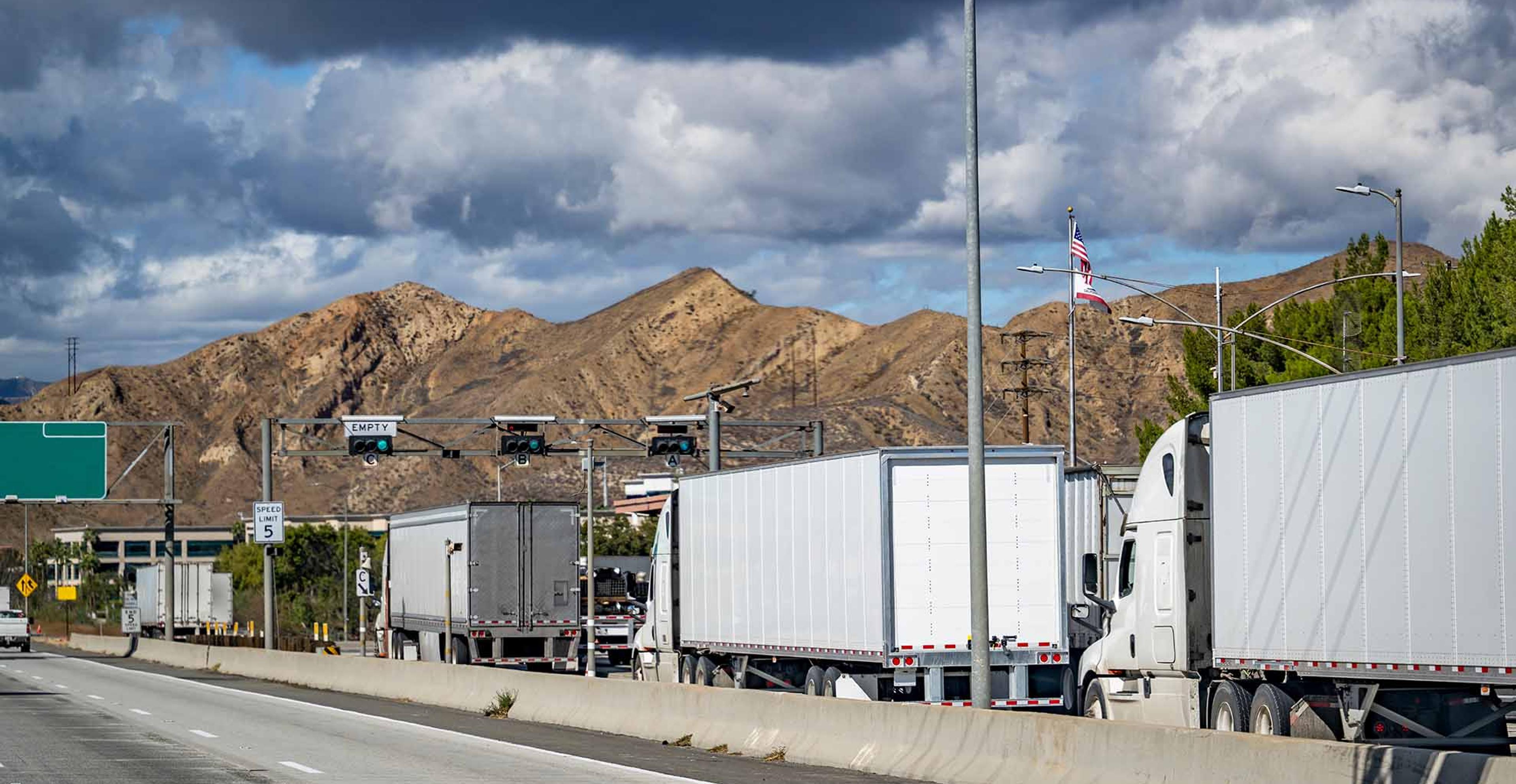
Freight fraud is a $30B+ problem. See how GenLogs’ truck intelligence helps ITS Logistics prevent theft, recover loads, and strengthen carrier compliance.
IN THE NEWS: How Trump's Tariffs, and Forced Labor, Led China to New Record Trillion-Dollar Trade Surplus—Supply Chain Data
Blog | Company News
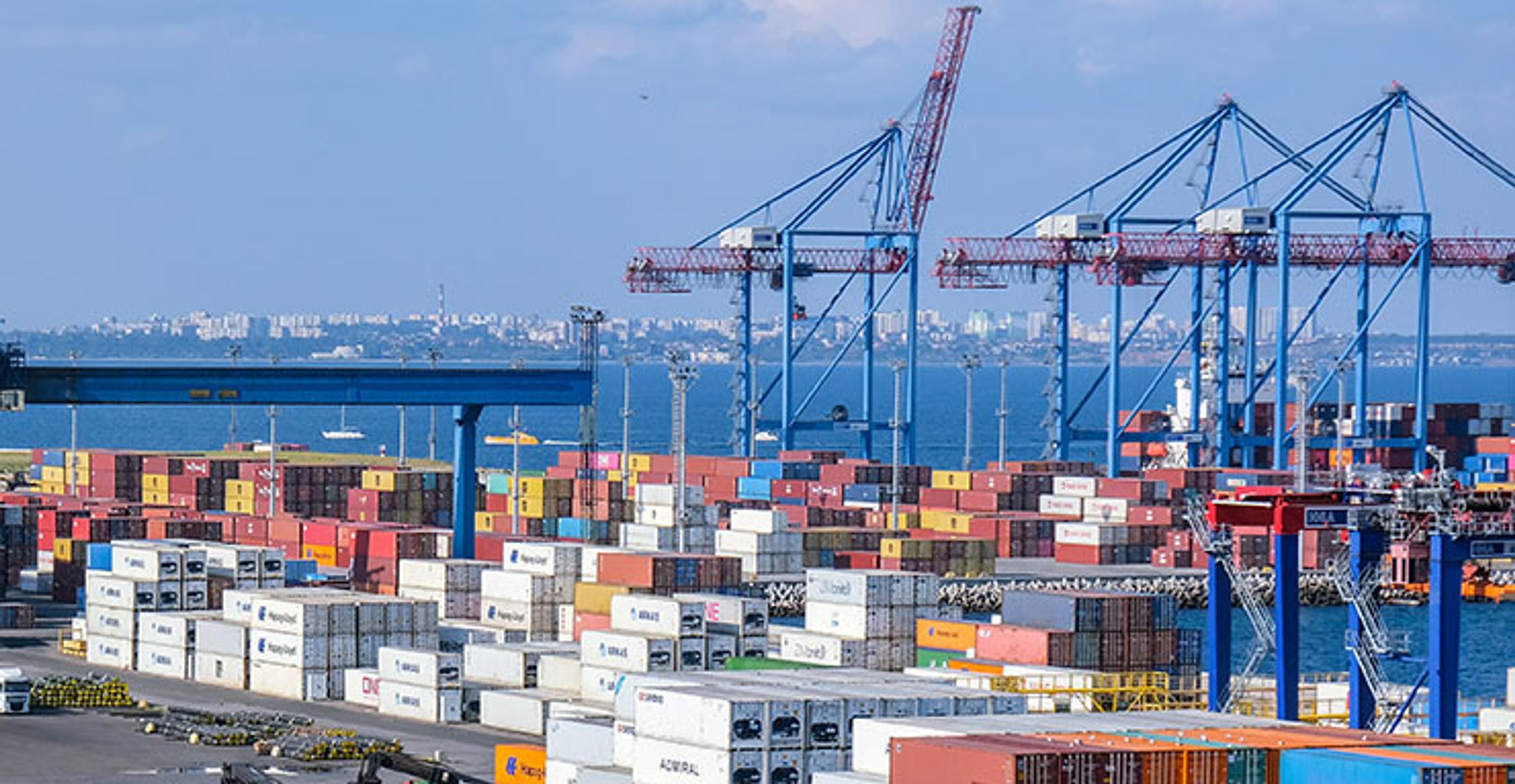
CNBC reports China hit a $1.1T trade surplus despite Trump tariffs, using Southeast Asia workarounds and forced labor, new supply chain data show.