IN THE NEWS: How Trump's Tariffs, and Forced Labor, Led China to New Record Trillion-Dollar Trade Surplus—Supply Chain Data
CNBC
January 30, 2026
Lori Ann LaRocco
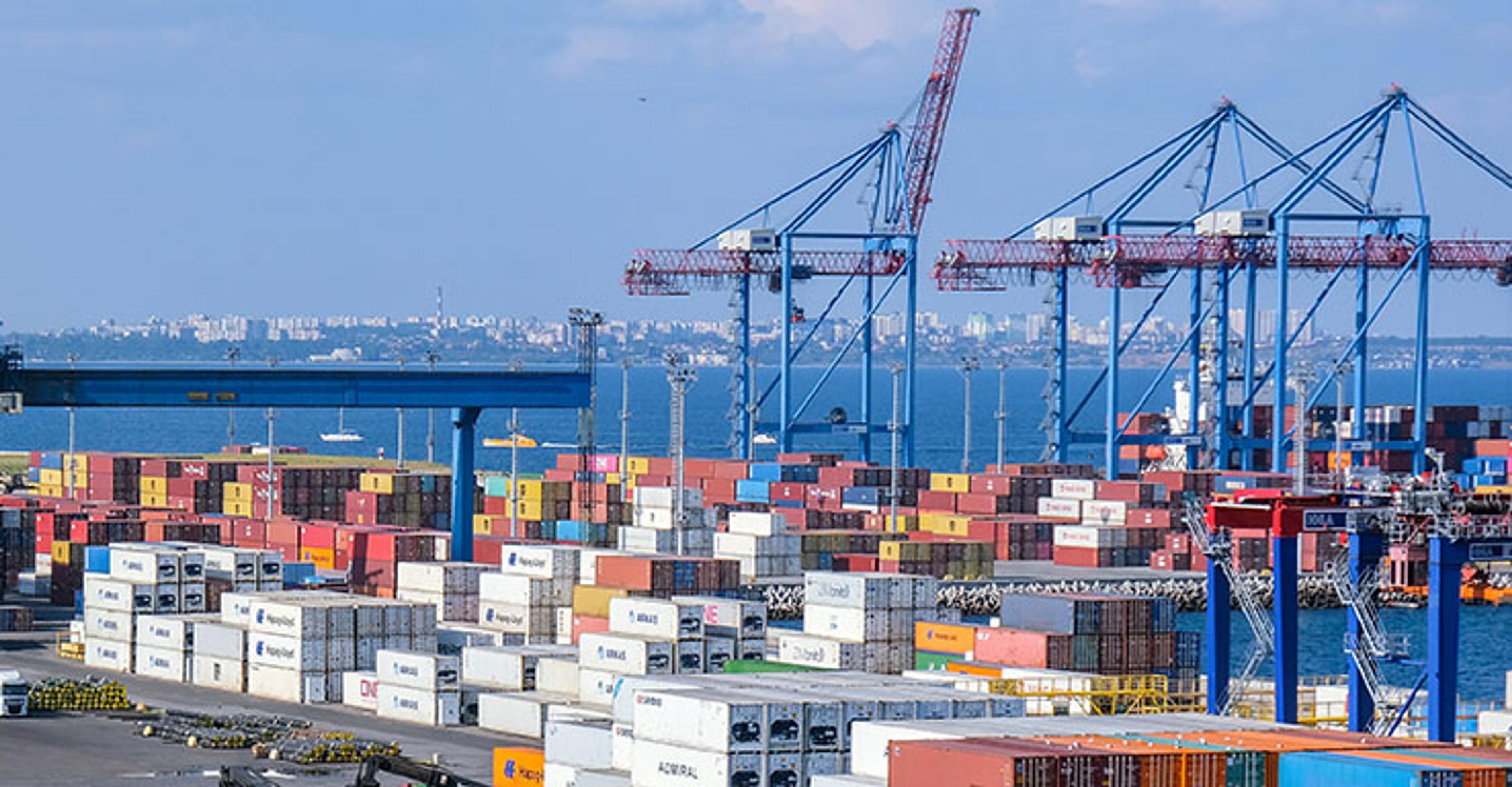
FROM THE ARTICLE: China's recent record $1.1 trillion trade surplus showed that despite President Donald Trump's efforts to use tariff policy to slow China's manufacturing export strength, the geopolitical and economic rival has not only found global workarounds, but thrived. Trade and supply chain data shared with CNBC show that behind China's success in mitigating the impact of US tariffs, two factors loom large: use of secondary manufacturing markets to finish products, particularly in Asia, and forced labor.
In recent years, Chinese companies rerouted their manufacturing to Southeast Asian countries, including Vietnam, to offset tariffs that began with Trump's first-term trade war in 2018, a shift that continues to benefit China today. Trade between China and Southeast Asia (including Malaysia, Singapore, Thailand, Vietnam, Indonesia, Philippines, Cambodia, Laos, Myanmar, Brunei, and Timor-Leste) tracked by the freight data tracker Vizion show increased volumes of Chinese goods during the 2025 frontloading effort by many manufacturers and importers to avoid the first tranche of Trump's second term tariffs ahead of April's so-called "Liberation Day."
As that strength in trade flows has increased, US efforts to reverse its trade balance remain in flux: the US deficit with its global trading partners nearly doubled based on the most recent data from November, to $56.8 billion, with European Union trade representing one-third and the goods deficit with China decreasing by about $1 billion to $13.9 billion. For the year-over-year period, the U.S. trade deficit was up 4%.
"Southeast Asia volumes are growing as shippers diversify imports away from China towards lower-tariffed countries," said Paul Brashier, Vice President of Global Supply Chain at ITS Logistics. "Imports from key Southeast Asia countries (Vietnam, Thailand, Indonesia) are each up roughly 20% year over year."
Related articles
News + resources
IN THE NEWS: FreightWaves Announces 2026 Fraud Fighters Award Winners
Blog | Company News
FreightWaves has named ITS Logistics a 2026 Fraud Fighter Award winner, honoring industry-leading programs to prevent freight fraud and cargo theft.
IN THE NEWS: Top 100 3PLs Adapt to Market Pressures, Trade Upheaval
Blog | Company News
ITS Logistics earns dual recognition on Transport Topics' 2026 rankings—No. 43 among Top 100 3PLs and No. 16 among Top Freight Brokerages.

IN THE NEWS: How Carriers Navigate Traffic Bottlenecks
Blog | Company News
Traffic congestion adds billions to supply chain costs. ITS Logistics explains how visibility tech, flexible operations, and drop trailers help mitigate delays.