
Trucking Dive
March 2, 2026
Larry Avila
FROM THE ARTICLE: Planning, technology, and flexibility are among the ways carriers mitigate delays when transporting freight through some of the country’s worst traffic bottlenecks.
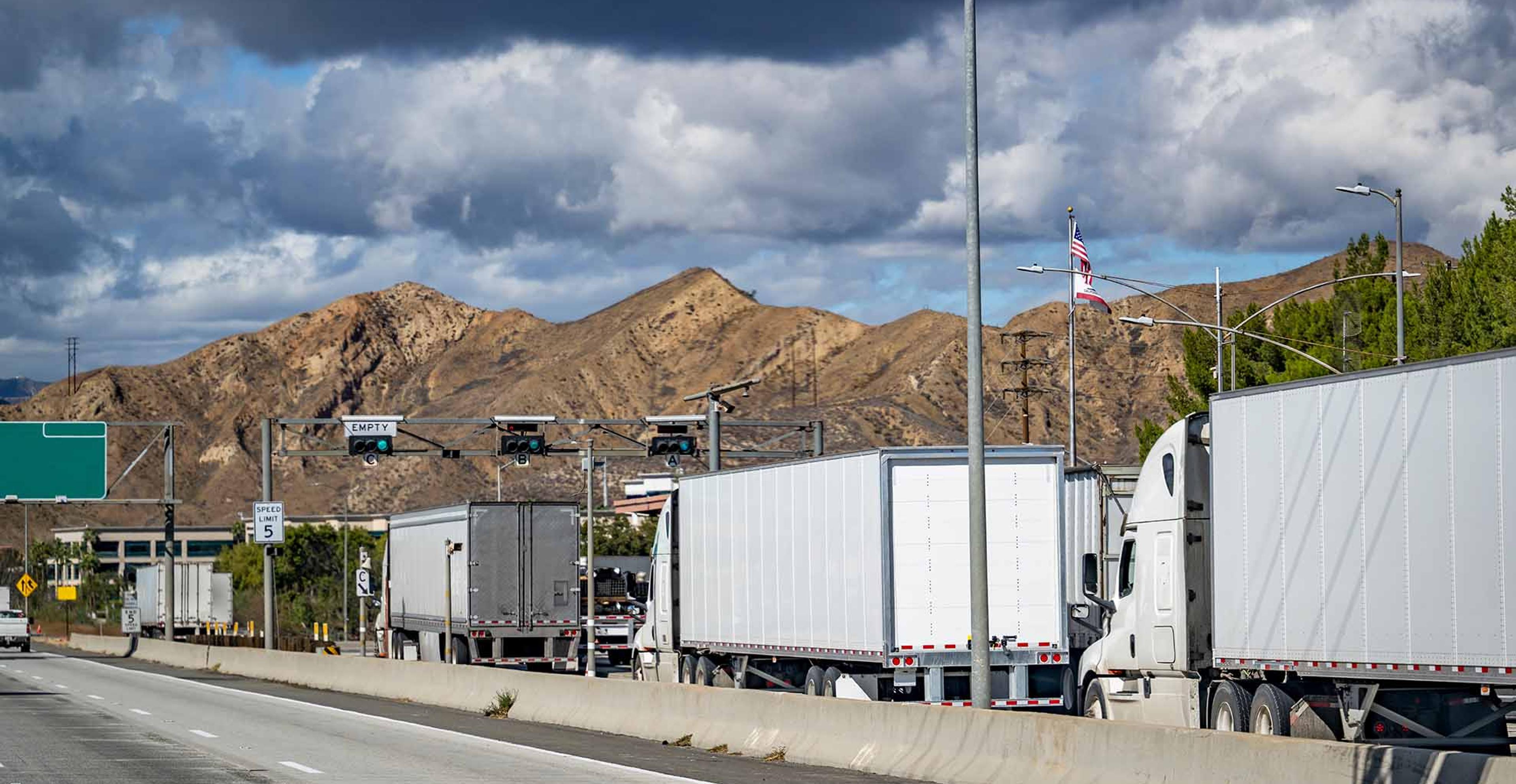
Traffic congestion adds $109 billion to the cost of goods paid by consumers, according to the American Transportation Research Institute. But carriers can help counter that inefficiency with their own strategy, investments and telematics—along with input from ATRI research on transportation barriers.
Highlighting those efforts, ABF Freight, ITS Logistics, and Schneider National recently shared with Trucking Dive their strategies to minimize delays due to traffic congestion.
....
ITS Logistics Chief Commercial Officer Josh Allen: We focus on mitigating the downstream risks of congestion through proactive communication and visibility rather than attempting to control movement through bottlenecks. Our proprietary supply chain management platform, ITS Engage, offers real-time tracking, predictive ETAs, and early exception management that allow us to anticipate delays, maintain communication with shippers, and protect pickup and delivery windows.
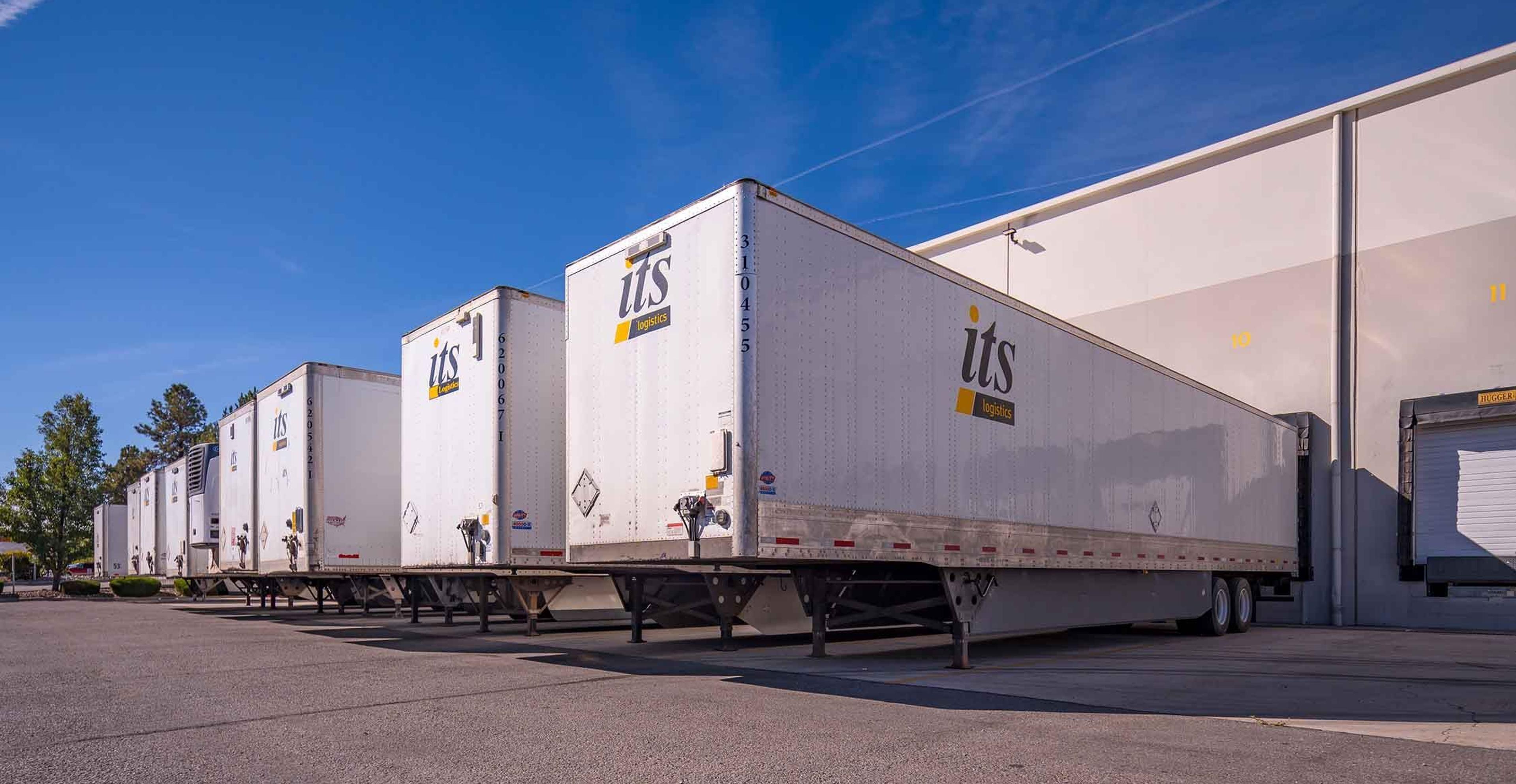
In markets notorious for congestion and delays, working with shippers to develop more flexible and resilient operations is also an incredibly effective mitigation solution. Drop trailer programs, for example, provide a significant amount of flexibility. Keeping equipment on site allows shippers to avoid live load and unload, which can help protect delivery windows if a driver is delayed. For enhanced drop trailer programs like DropFleet that offer universal trailer pools, the benefits are even more pronounced, as trailers can be loaded without being assigned a carrier, allowing for seamless interchange of drivers if there is an extreme delay.
Rather than prescribing routes, we design our network around lane density and purposeful capacity utilization with highly vetted partners who understand every nook and cranny, consistently operating in the same regions and on the same lanes. That puts the expertise in the cab—carriers know the markets, understand recurring bottlenecks, and can navigate real-time conditions based on experience. This approach allows us to move freight with experienced drivers who anticipate and navigate real-time conditions.
Related articles
News + resources
IN THE NEWS: FreightWaves Announces 2026 Fraud Fighters Award Winners
Blog | Company News
FreightWaves has named ITS Logistics a 2026 Fraud Fighter Award winner, honoring industry-leading programs to prevent freight fraud and cargo theft.
IN THE NEWS: Top 100 3PLs Adapt to Market Pressures, Trade Upheaval
Blog | Company News
ITS Logistics earns dual recognition on Transport Topics' 2026 rankings—No. 43 among Top 100 3PLs and No. 16 among Top Freight Brokerages.
IN THE NEWS: A New Tech Solution To The Freight Fraud Problem
Blog | Company News
Freight fraud is a $30B+ problem. See how GenLogs’ truck intelligence helps ITS Logistics prevent theft, recover loads, and strengthen carrier compliance.