SupplyChainBrain
May 6, 2026
Lauren Miller
FROM THE 2026 ESG GUIDE
Companies are increasingly expected to quantify and reduce emissions across their supply chains. Meaningful decarbonization requires coordinated strategies spanning transportation, sourcing, and operational efficiency.
In 2026, supply chain decarbonization isn’t optional. Companies face growing expectations from customers, investors, and regulators to demonstrate measurable progress in reducing greenhouse gas emissions, particularly Scope 3 emissions from transportation and supplier activities.
While policy landscapes continue to evolve, organizations that proactively address supply chain emissions can mitigate regulatory risk, reduce exposure to fuel cost volatility, strengthen operational resilience, and increase long-term business value. Decarbonization does not require a single breakthrough technology. Instead, progress is achieved through coordinated improvements across data visibility, supplier collaboration, logistics efficiency, and performance management.
Here are four actionable steps organizations can take to decarbonize their supply chains:
Map, Measure, and Understand Emissions
Decarbonization begins with visibility. Organizations cannot reduce what they cannot measure, making emissions quantification foundational to any sustainability strategy.
Scope 3 transportation emissions present a unique challenge because they occur outside of a company’s direct operational control. Accurate measurement depends on standardized methodologies and reliable datasets. Leveraging government-backed datasets such as those from the US Department of Transportation (DOT) and the National Highway Traffic Safety Administration (NHTSA) can help close critical data gaps within carrier networks and provide more reliable emissions insight.
Working toward shipment- or lane-level emissions analysis through standardized methodologies and supplier-level data enables organizations to identify carbon hotspots within their networks. This level of visibility reveals where emissions are concentrated and where lower-emission alternatives, including electric vehicles, renewable natural gas (RNG), or biodiesel, may be operationally viable today.
Detailed measurement transforms sustainability from reporting into a real decision-making tool, allowing companies to prioritize reductions where they can deliver the greatest impact.
Collaborate with Low-Emissions Carriers and Suppliers
Transportation emissions cannot be reduced in isolation. Progress requires collaboration across carriers, suppliers, and logistics partners.
While alternative fuels offer meaningful emissions reductions, adoption remains uneven due to infrastructure limitations, capital costs, and uncertain freight demand. Third-party logistics providers (3PLs) can play a critical role in accelerating adoption by aligning freight volumes with carriers investing in lower-emission technologies.
Concentrating shipments on specific lanes where cleaner equipment is available improves asset utilization and creates predictable demand signals that support continued investment in alternative fuel fleets. Data-driven network planning helps balance sustainability objectives with cost efficiency and service reliability.
Supplier engagement extends beyond transportation providers. Procurement teams increasingly incorporate emissions performance into supplier evaluations, reinforcing accountability across the broader supply ecosystem.
Optimize Logistics and Operations
Operational efficiency remains one of the most immediate and cost-effective pathways to emissions reduction.
Reducing unnecessary mileage through route optimization and mode shifting, such as shifting shipments from truck to rail where feasible, can significantly lower fuel consumption. Shipment consolidation, including less-than-truckload (LTL) pooling or pool distribution strategies, further improves efficiency by reducing stops, touchpoints, and handling, which also decreases the risk of damage and shortens transit times. Drop trailer programs and trailer pool strategies similarly improve network efficiency by enabling drop-and-hook capabilities that reduce driver dwell time and allow for improved utilization of limited reduced-emission capacity.
Additional operational practices like anti-idling policies, driver efficiency training, and speed management programs can contribute to incremental reductions that compound across large transportation networks.
Decarbonization is often less about replacing systems entirely and more about operating existing networks more intelligently.
Track Progress to Drive Continuous Improvement
Organizations should integrate emissions monitoring into regular operational reviews, treating carbon performance alongside traditional metrics such as cost, service, and utilization. Continuous tracking enables companies to identify trends and validate reduction strategies over time.
Transparent reporting also strengthens governance by aligning sustainability goals with measurable outcomes and integrating emissions performance into broader business decision-making. Sharing progress internally encourages employee engagement, while external reporting builds trust with customers and stakeholders seeking credible ESG performance.
Organizations leading the way focus on steady year-over-year improvement supported by reliable data rather than pursuing immediate perfection.
Decarbonizing the supply chain is a complex but achievable process when grounded in visibility, supplier collaboration, operational efficiency, and accountability. While a fully zero-emission supply chain remains a long-term ambition, incremental and measurable progress made over time can deliver both environmental and business benefits.
Organizations that embed emissions considerations into everyday supply chain decisions, from procurement to transportation planning, will be better prepared for evolving regulatory pressure while future-proofing their operations.
Read more in the 2026 SupplyChainBrain ESG Guide.
How Can We Help?
Related articles
News + resources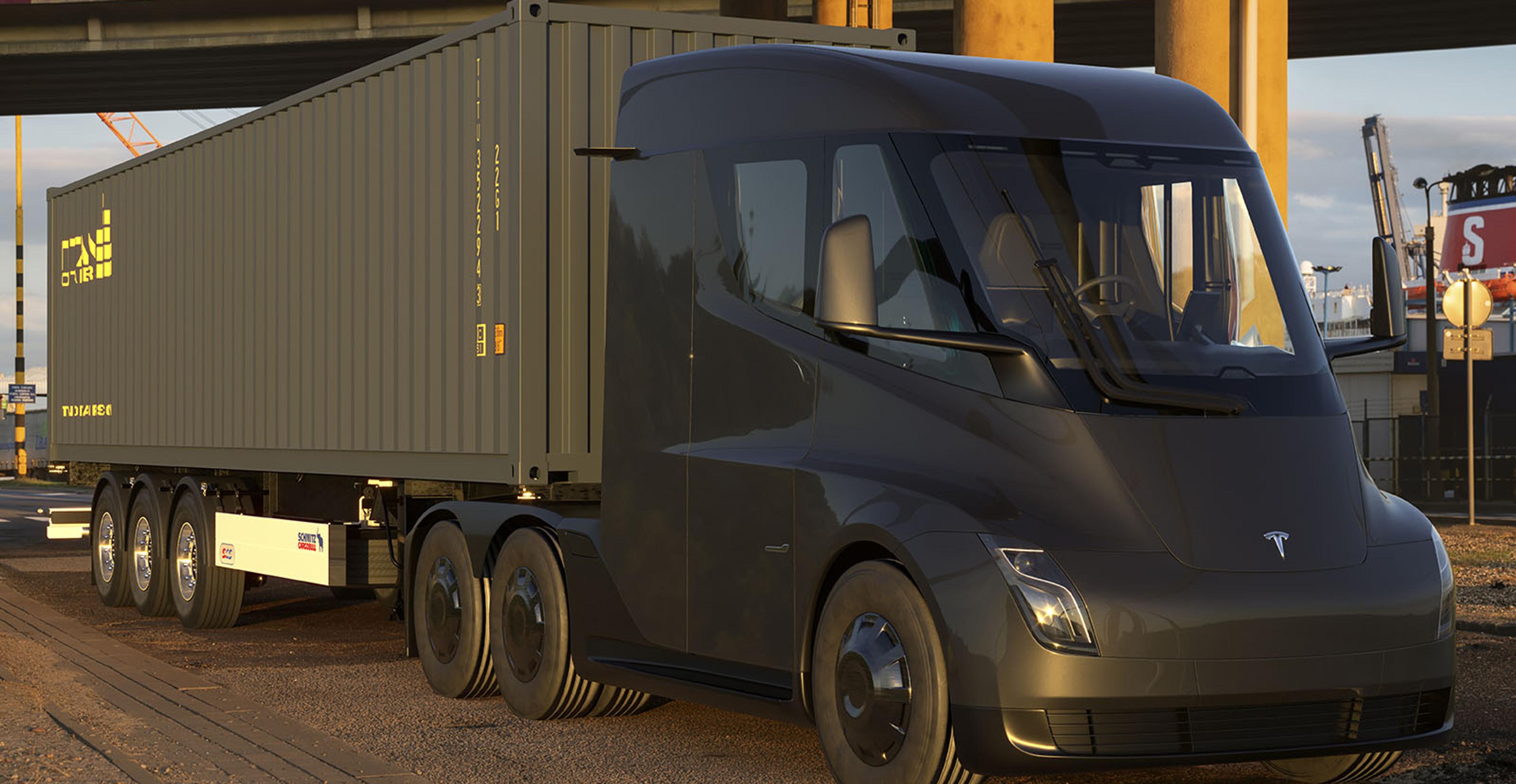
Paving the Way: The Role of Third-Party Logistics Companies in Driving Alternative Fuel Use Across the Supply Chain
Blog | Sustainability
Why 3PLs are uniquely positioned to drive alternative fuel adoption—using data, partnerships, and scale to deliver more sustainable logistics.
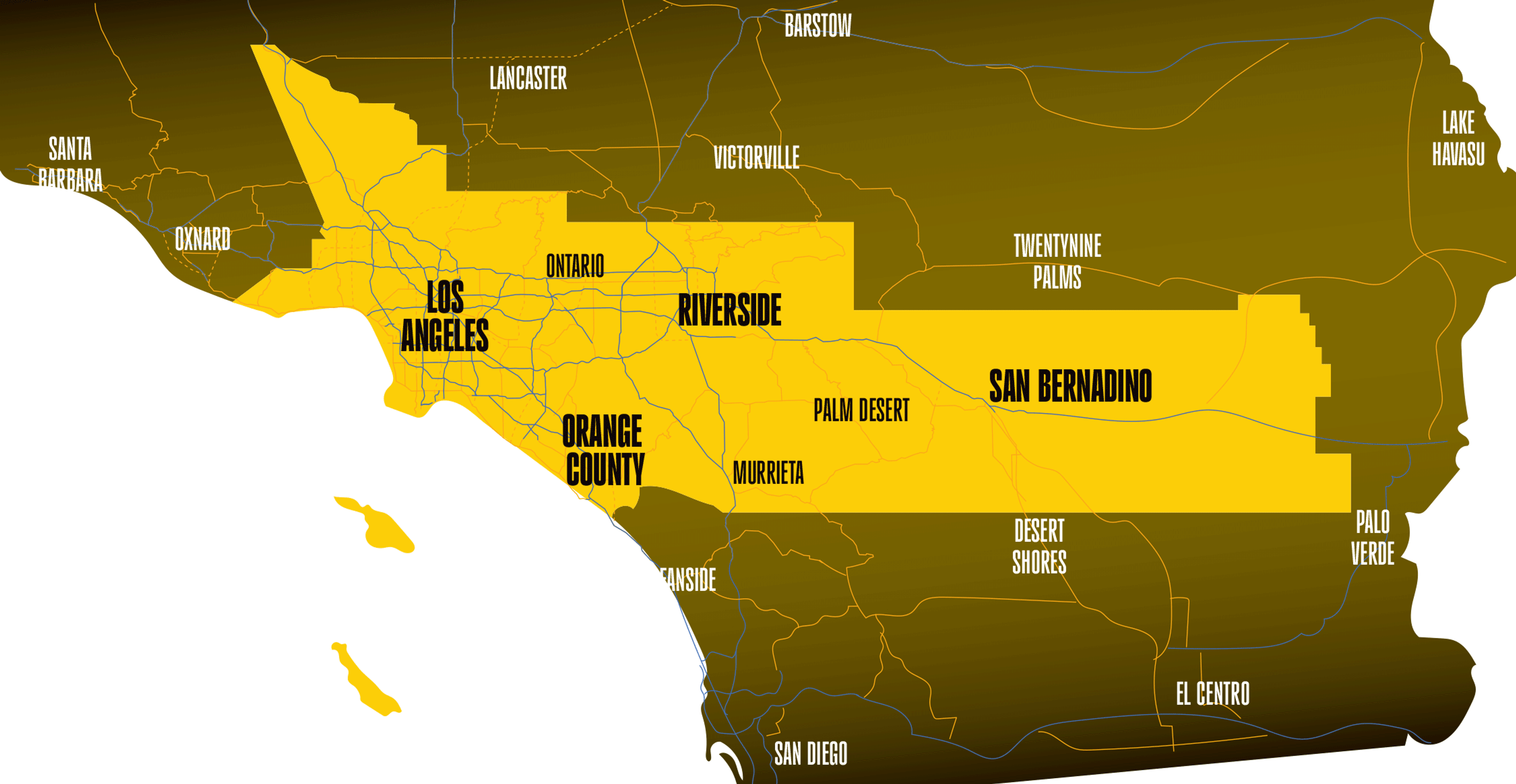
Understanding Southern California’s WAIRE Program and How Our Solution Can Help
Blog | Sustainability
Learn how Southern California’s WAIRE Program impacts warehouse operators and discover strategies to achieve compliance.

The Circular Economy: A Sustainable Approach This Holiday Season
Blog | Sustainability
Discover how the circular economy transforms holiday logistics through sustainable packaging, transportation, and waste reduction.